If you run an apparel store online, you’ve probably experienced this at least once. Your products are good. The pricing is competitive. The website looks fine. Traffic is coming in.
But conversions? They’re lower than expected. And after looking at analytics, you start wondering… what’s missing? In many cases, the answer isn’t pricing, ads, or even product quality. It’s the images. Online shoppers can’t touch your products. They can’t try them on. They can’t feel the fabric or check the fit. They only have visuals.
That’s exactly why ghost mannequin photography has become one of the most important techniques for e-commerce apparel brands. It doesn’t just make products look better. It makes them easier to understand.
And when customers understand a product quickly, they’re far more likely to buy it.
This guide explains everything about ghost mannequin photography — what it is, how it works, why it increases conversions, and how ecommerce brands are using it to scale their stores.
Why Product Images Matter More Than Most Brands Realize

Let’s start with something simple. Most e-commerce decisions happen in seconds. Customers scroll. They glance. They compare. If your product images look unclear, inconsistent, or unprofessional, visitors don’t analyze the details. They just move on.
High-quality visuals help:
- Build trust instantly
- Communicate product value
- Reduce hesitation
- Improve perceived brand quality
In fact, many Shopify sellers notice conversion improvements simply after upgrading their product presentation. And this is where ghost mannequin photography becomes especially useful.
What Is Ghost Mannequin Photography?
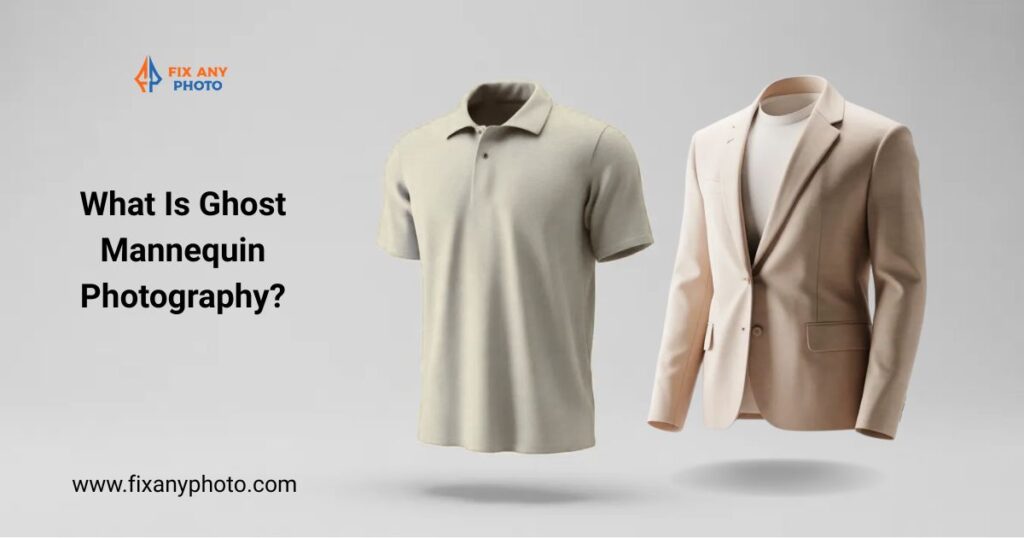
Ghost mannequin photography is a product photography technique used primarily for apparel. The clothing is photographed on a mannequin to capture its natural shape. Then, during editing, the mannequin is removed, and the garment’s hidden parts are reconstructed.
The final image shows the product as if it’s being worn — but without any visible model or mannequin. This creates what’s often called the invisible mannequin effect.
Customers see:
- Natural structure
- Accurate fit representation
- Fabric depth and flow
- Clean, distraction-free visuals
Unlike flat images, ghost mannequin photography provides a realistic sense of how the garment will look in real life.
Why eCommerce Brands Prefer Ghost Mannequin Photography
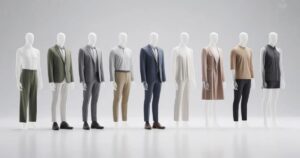
There are three main reasons.
1. Clarity
Customers don’t have to guess how the product fits. The structure is visible.
2. Consistency
Every product can be presented in the same format, which makes the store look more professional.
3. Scalability
Unlike model shoots, ghost mannequin photography can be used for large product catalogs without dramatically increasing costs.
For growing ecommerce brands, these three factors matter more than aesthetics alone.
Ghost Mannequin vs Flat Lay vs Model Photography
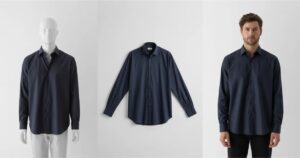
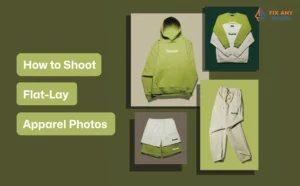
Each style has its place. Flat lay photography works well for lifestyle content but lacks depth. Model photography creates strong branding but is expensive and difficult to scale.
Ghost mannequin photography, on the other hand, provides a balance between professionalism, cost-efficiency, and clarity. That’s why most product pages on major fashion marketplaces use this format.
How Ghost Mannequin Photography Actually Works
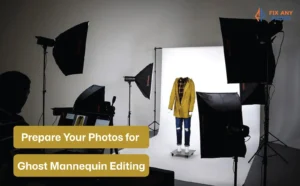
The process involves multiple steps. First, the product is photographed on a mannequin. Then, additional images are taken to capture inner areas like the neckline or back.
During editing:
- The mannequin is removed
- Hidden areas are reconstructed
- Shadows and lighting are balanced
- The product shape is refined
This process requires precision. Poor editing can make the garment look distorted or unnatural. Because of this, many e-commerce brands rely on professional services through Fix Any Photo to ensure clean, consistent results across their product catalog.
How Ghost Mannequin Photography Improves Conversions

Let’s talk about the real reason most e-commerce brands invest in better product images. It’s not just about aesthetics. It’s about performance.
When customers land on a product page, they’re trying to answer a few questions quickly:
- How will this fit?
- Does it look structured or loose?
- Is the quality good?
- Can I trust this brand?
If your images don’t answer these questions clearly, hesitation creeps in. And hesitation is usually where conversions drop. This is where ghost mannequin photography quietly does its job.
Because it shows the garment in a natural shape, customers don’t have to imagine how it might look. The structure is already there. The product feels more real, even through a screen.
Many Shopify sellers notice:
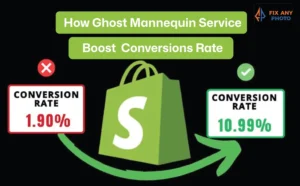
- Higher add-to-cart rates
- Longer time spent on product pages
- Fewer comparison exits
It’s not always dramatic overnight. But over time, clearer visuals tend to remove friction from the buying process. And in e-commerce, reducing friction is often the difference between browsing and buying.
The Psychology Behind Clean Product Images
There’s a small psychological effect at play here.
When product images look:
- Clean
- Consistent
- Professional
Customers assume the brand itself is reliable. On the other hand, inconsistent lighting, different backgrounds, or poorly shaped garments create subtle doubt.
People may not consciously think, “This brand looks unprofessional.” But they hesitate. Ghost mannequin photography helps create visual consistency across an entire catalog. Every product appears structured, balanced, and aligned. That consistency builds trust — and trust directly affects conversions.
How It Helps Reduce Product Returns
Returns are one of the highest hidden costs in apparel ecommerce.
And many returns happen for the same reason:
“The product didn’t look the way I expected.”
Flat images often make clothing appear thinner, wider, or less structured than it actually is. Model images can be misleading because of styling or body proportions. With ghost mannequin photography, customers see a neutral, realistic representation of the garment.
They can understand:
- Actual shape
- Fit structure
- Design details
- Fabric behavior
Better expectations usually lead to:
- Fewer returns
- Fewer complaints
- Higher customer satisfaction
For growing brands, this operational impact can be just as valuable as the conversion increase.
When Should You Use Ghost Mannequin Photography?
Not every product needs it. But for apparel, it works especially well.
Best categories include:
- T-shirts and polos
- Jackets and coats
- Dresses
- Hoodies and sweatshirts
- Activewear
- Formal wear
- Structured fashion pieces
Basically, if the product’s shape matters, ghost mannequin photography helps customers understand it better. For accessories or very loose items, flat lay may still work. But for most clothing catalogs, ghost mannequin images are becoming the industry standard.
Ghost Mannequin Photography for Shopify Sellers
Shopify stores often face a specific challenge.
Growth.
At first, managing product images is simple. A few products, a few photos. Everything feels manageable.
But as the catalog grows, problems start appearing:
- Inconsistent lighting
- Different shooting styles
- Mixed backgrounds
- Uneven product alignment
The store begins to look… uneven.
And while customers may not notice each detail individually, the overall impression feels less professional.
This is where a structured ghost mannequin photography workflow becomes important.
It allows Shopify sellers to:
- Standardize product presentation
- Maintain a consistent brand look
- Scale image production
- Prepare marketplace-ready visuals
Consistency isn’t just about design. It’s about building long-term brand trust.
Common Mistakes Brands Make With Ghost Mannequin Photography
Interestingly, many brands attempt ghost mannequin images but don’t see the expected results.
Usually, the issue isn’t the technique itself. It’s the execution.
Mistake 1: Poor Garment Preparation
Wrinkles, uneven alignment, or improper fitting on the mannequin can distort the final shape.
Mistake 2: Inconsistent Lighting
If lighting changes between shoots, the catalog will look mismatched.
Mistake 3: Low-Quality Editing
This is probably the biggest problem.
Bad editing can cause:
- Distorted proportions
- Visible edges
- Unnatural shadows
- Artificial-looking results
At that point, the images may actually reduce trust instead of improving it.
That’s why many ecommerce brands eventually outsource the editing process to specialists through Fix Any Photo to maintain consistent, professional quality.
DIY vs Professional Ghost Mannequin Editing
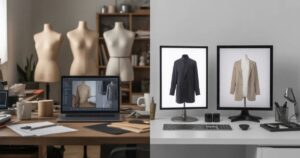
At some stage, most brands consider doing everything in-house.
And in the beginning, that can work.
But ghost mannequin editing is time-intensive. Each image requires:
- Layer merging
- Shape reconstruction
- Shadow balancing
- Color correction
- Quality checking
For small catalogs, DIY may be manageable.
For larger inventories, the time cost becomes significant.
Professional editing services help brands:
- Process bulk images faster
- Maintain consistent quality
- Free up internal resources
- Focus on marketing and growth
For many Shopify sellers, outsourcing becomes less of a luxury and more of a practical decision.
Cost Considerations
Compared to model photography, ghost mannequin photography is actually cost-efficient.
Model shoots involve:
- Talent fees
- Styling
- Scheduling
- Location costs
Ghost mannequin workflows require:
- A mannequin
- A controlled setup
- Professional editing
Over time, the cost per product becomes significantly lower.
And because the results are consistent, brands don’t need frequent reshoots.
For growing ecommerce businesses, this makes ghost mannequin photography one of the most scalable product image solutions.
Scaling Ghost Mannequin Production for Large Catalogs
As product numbers increase, workflow becomes critical.
Successful brands usually follow a simple system:
- Batch photography sessions
- Standardized lighting and angles
- Organized file naming
- Bulk editing through professional services
- Quality check before upload
This structured approach allows stores to handle hundreds — sometimes thousands — of products without losing visual consistency.
And consistency, again, is what makes a catalog look trustworthy at scale.
A Simple Workflow for Consistent Ghost Mannequin Results
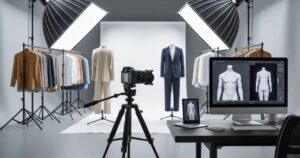
Once brands decide to use ghost mannequin photography, the next challenge is maintaining consistency.
Because the technique itself isn’t complicated. What makes the difference is the workflow.
Most successful ecommerce brands follow a structured process:
Step 1: Standardize the setup
Use the same mannequin, lighting, camera angle, and background for every product.
Step 2: Prepare garments properly
Steam or iron items. Align sleeves and collars carefully. Small wrinkles or misalignment can affect the final shape.
Step 3: Capture multiple angles
Front view
Back view
Detail shots if needed
Inner neck or label areas
Step 4: Organize files clearly
Consistent naming helps avoid confusion when sending images for editing.
Step 5: Batch editing
Instead of editing one product at a time, process them in bulk for speed and consistency.
When this workflow is followed, ghost mannequin photography becomes scalable and efficient — even for large catalogs.
How to Prepare Products Before Shooting
Preparation is one of those things that seems minor… until it’s ignored.
Many editing issues actually start during the shooting stage.
Before photographing for ghost mannequin photography, make sure:
- The garment is clean and wrinkle-free
- Sleeves are shaped naturally
- Collars and cuffs are properly aligned
- Buttons and zippers are positioned correctly
- The product fits well on the mannequin
If the clothing looks uneven during the shoot, editing alone can’t fully fix it.
Good preparation saves time, reduces editing costs, and improves the final result.
Choosing the Right Editing Partner
As product volume grows, most brands realize that editing internally takes too much time.
But outsourcing only works if the quality is consistent.
When selecting a partner for ghost mannequin photography editing, look for:
- Experience with apparel products
- Consistent shadow and shape reconstruction
- Clean edge finishing
- Color accuracy
- Ability to handle bulk orders
Reliable services like Fix Any Photo specialize in e-commerce workflows, helping brands maintain a uniform catalog without delays or quality issues.
For growing Shopify sellers, this kind of consistency becomes essential.
How Ghost Mannequin Photography Supports Brand Growth
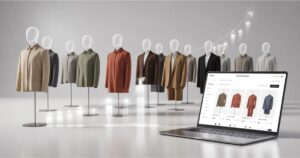
At first, better product images feel like a visual improvement.
But over time, the impact goes deeper.
Consistent ghost mannequin photography helps brands:
- Look more professional
- Build customer trust
- Improve marketplace approval rates
- Maintain a clean brand identity
- Scale product launches faster
When every product follows the same visual structure, the store feels organized and reliable.
And reliability is one of the strongest conversion factors in e-commerce — even if customers never consciously think about it.
Common Questions E-commerce Brands Ask
Is ghost mannequin photography better than model photography?
Not necessarily better — just more practical for product pages. Model images are great for branding and marketing, but ghost mannequin photography works best for catalogs and product listings.
Can small brands use ghost mannequin photography?
Yes. In fact, smaller brands often benefit the most because clean, consistent images help them compete with larger retailers.
How many images should each product have?
Most e-commerce stores use:
- Front view
- Back view
- One or two detail shots
Consistency matters more than quantity.
When Ghost Mannequin Photography May Not Be Necessary
While it works well for most apparel, there are situations where other styles might be better.
For example:
- Lifestyle campaigns
- Social media content
- Brand storytelling visuals
In those cases, model photography or creative shoots may be more effective.
However, for everyday product pages, ghost mannequin photography remains the most practical and scalable option.
Need Professional Ghost Mannequin Editing?
As your catalog grows, managing and editing internally can become time-consuming and inconsistent.
Professional editing services available through the Fix Any Photo homepage help ecommerce brands:
- Process large volumes of images quickly
- Maintain consistent product presentation
- Deliver marketplace-ready quality
- Reduce internal workload
For Shopify sellers and apparel businesses, outsourcing often saves both time and operational cost while keeping the catalog visually professional.
Final Thoughts
At first, ghost mannequin photography might seem like a small visual upgrade.
But in e-commerce, small improvements often create long-term impact.
A clear product structure helps customers understand what they’re buying. Consistent images build trust. A professional presentation improves perceived quality.
Over time, these factors lead to:
- Better engagement
- Higher conversions
- Fewer returns
- Stronger brand credibility
For apparel brands and Shopify sellers, investing in ghost mannequin photography isn’t just about making products look better.
It’s about removing uncertainty from the buying process.
And when customers feel confident about what they’re seeing, the decision to buy becomes much easier.